Defender of the Crown The Legend Returns How to Play the English campaign
The board-game war underneath Retro, Classic, and the Kingdom rewrite.
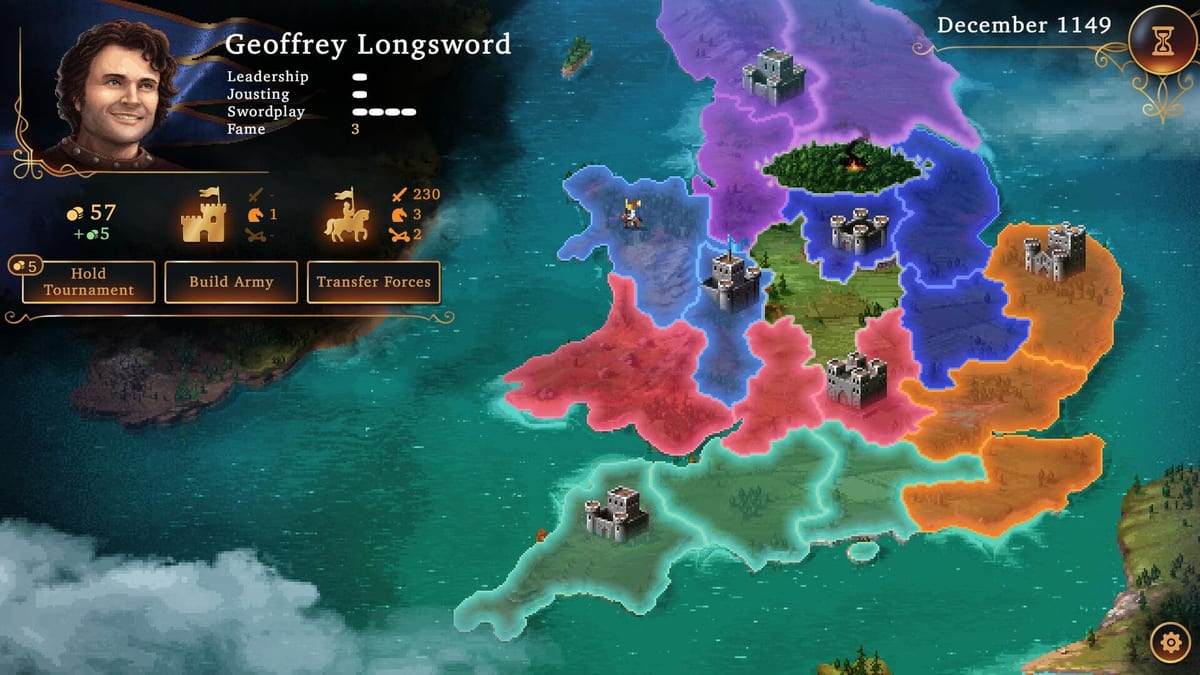
How to play Defender of the Crown: The Legend Returns depends on which disc you metaphorically inserted, but the fantasy is stable. England in 1149 is a painted board. You are a Saxon lord with a home castle, a trickle of gold, and a travelling army. Each turn you either grow that army, squeeze income from events, or spend men taking land. If that sentence already feels like Risk with jousting, you are ready for Classic Mode. If you want the same story with readable dice, jump to Kingdom Mode after this overview.
The campaign loop
Open the strategic map. Territories glow in rival colours. Castles mark the seats that actually pay. A date — November or December 1149 in the early months — sits in the corner next to an hourglass that ends the turn. Your portrait lists leadership, jousting, swordplay, and fame. Under that, Classic shows gold with a predicted income, castle count, and three piles: soldiers, knights, and catapults.
Those three piles are the whole military language of Retro and Classic. Soldiers are the mass. Knights punch above their count. Catapults exist so you can siege instead of feeding infantry into a gate. A mid-campaign Geoffrey Longsword screenshot from the launch build showed 57 gold, +5 income, one castle, 230 soldiers, three knights, and two catapults. That is a healthy home stack, not a field army you should march into Buckingham yet. The longer ledger is Army and Income.
Buttons along the map are the turn’s verbs. Hold Tournament spends the month on a festival and a joust. Build Army recruits, and in Classic that recruitment consumes the rest of the turn — you cannot buy men and then immediately storm a neighbour. Transfer Forces shuffles stacks between castles. Raids and rescues peel off into side-scrolling nights covered in How to Duel and Raid. Attacks open a battle screen.
How a field battle actually reads
Classic does not hide army sizes the way some reviews feared on every screen. The Battle for Buckingham panel, for example, puts Cedric of Rotherwood on the left with 13 soldiers, 4 knights, and 2 catapults against Brian de Bois-Guilbert’s 39 soldiers, 4 knights, and 2 catapults. Leadership bars sit under each portrait. You are supposed to notice that you are outnumbered and that the orders at the bottom are the only leverage you have.
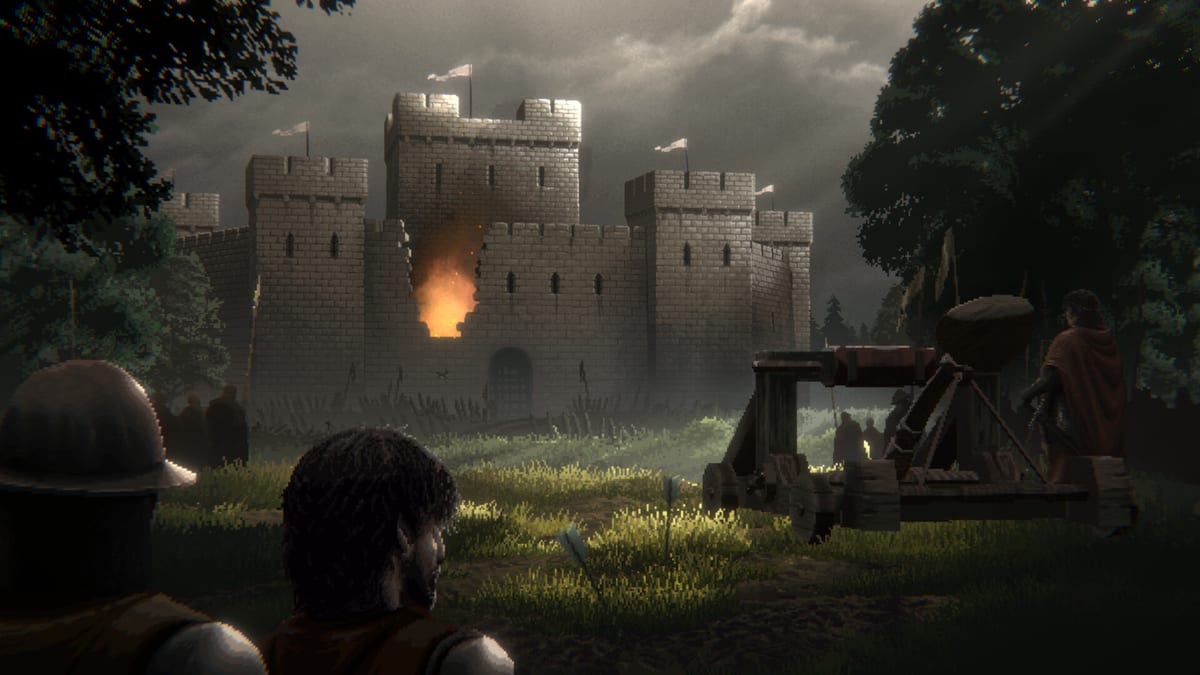
Those orders are Stand and fight, Ferocious Attack, Bombard, Outflank, and Retreat. Outflank draws curved arrows across the clearing. Bombard wants catapults to mean something. Ferocious Attack is the greed option. Retreat is the adult option. Reviews still complain that the underlying resolution can feel like a numbers game. They are not wrong. Your job is to refuse battles where the panel already tells you that 13 cannot bully 39, then return with a transferred stack and a wall that has been shelled. The five verbs have their own chapter: Field Battles.
Events that are not optional flavour
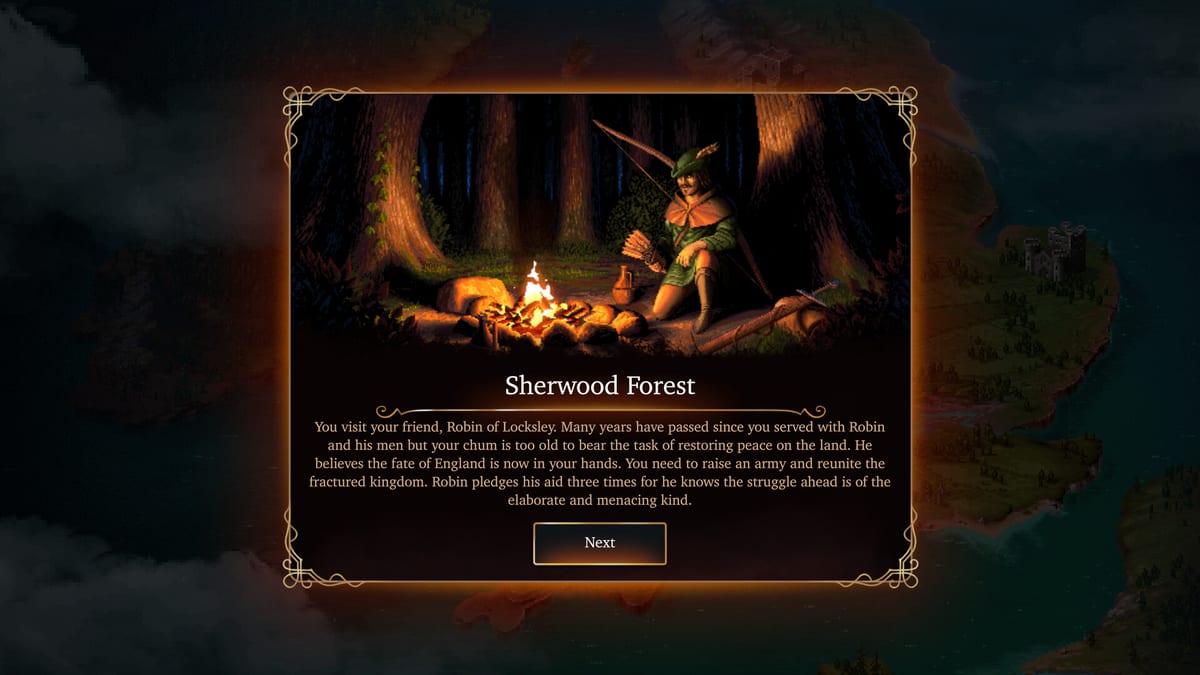
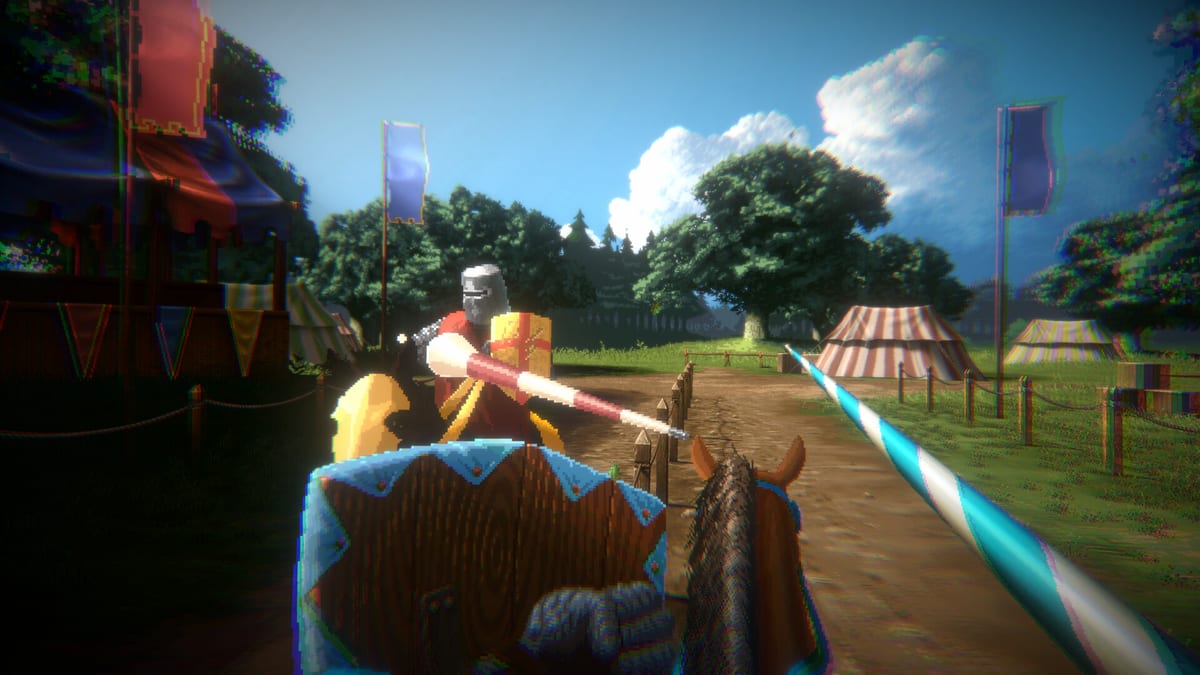
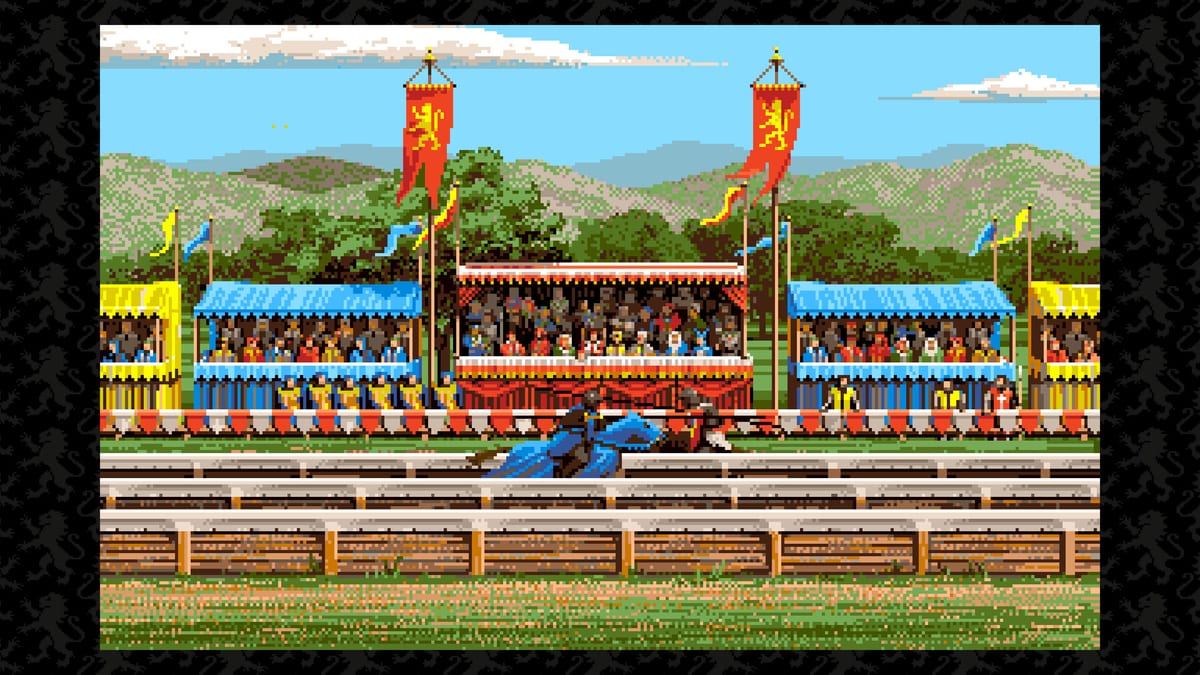
Tournaments raise fame and leadership when you win, which is why Wolfric exists. Raids raise gold when you survive the corridor. Rescuing Saxon ladies is written as honour and paid as stats; Kingdom turns each of six ladies into a starting trait. The long honour chapter is Saxon Ladies. Robin of Locksley, found in Sherwood Forest, pledges aid three times because the game knows the later map will not be kind. None of these are collectibles. They are economy.
Kingdom’s rewrite of the same verbs
Kingdom Mode keeps England, rival lords, sieges, tournaments, and rescues, then replaces the army-stack battle with dice and tactic cards. You still choose where to walk. Fog of war now hides the next reward. Hearts replace “game over, reload a 1986 campaign.” The Kingdom Mode guide is the rules chapter for that disc. This page exists so you do not confuse a Kingdom heart loss with a Classic campaign loss and rage-quit the wrong genre.
A practical first session
- Pick Classic or Kingdom, not Retro, unless nostalgia is the point. Use the mode advisor if you are stuck.
- Pick Wilfred unless you already know you want Cedric’s leadership or Wolfric’s lance.
- Spend two months recruiting and taking income events. Do not assault a Norman keep on month one.
- Learn one minigame properly — joust or raid — before you chain three of them in a panic.
- When the first Norman castle is ready, read the campaign walkthrough so the Saxon peace does not surprise you.
Controls differ by platform; the controls page covers keyboard, gamepad, and Steam Deck notes. If the loop still feels like a board game you cannot see, that is the design. Sit with the HUD, count the three piles, and treat every glowing button as a month of your life.
Frequently Asked Questions
Quick answers drawn from official notes and launch play.
What units can I recruit?
Soldiers, knights, and catapults. Catapults exist for sieges; knights punch above their number; soldiers are the mass you cannot fake.
Does attacking always spend a turn?
In Retro and Classic, almost every verb spends the month. Classic also ends the turn when you finish building an army, so recruit with intent.
Where do I see enemy army size?
On the battle panel before orders. If the numbers look hopeless, Retreat is a legal move — then come back after a siege.
Is Kingdom played the same way?
Same map fantasy, different combat. Read Kingdom Mode for dice, cards, hearts, and fog.